





Start Your Free Test Project

Start Your Free Test Project
Start Your Free Test Project
Start Your Free Test Project
Start Your Free Test Project
Start Your Free Test Project
Unlimited Graphic Design vs. Fractional Design
Unlimited design solved the cost problem. Fractional design solves cost, quality and consistency at the same time — a dedicated senior designer who becomes part of your team.
+
Topic 01
Why “Unlimited Graphic Design” took off
If you’ve searched for design help online, you’ve probably seen services like Design Pickle, Penji or ManyPixels. They market themselves as unlimited graphic design services: pay one flat fee, get as many design requests as you want.
It sounds perfect on paper:
→
Always-on creative support
→
No per-project quotes
→
Predictable costs
That’s why unlimited design became popular with startups and small businesses. It promises:
→
Fast turnaround
→
Affordable pricing
→
Access to a designer anytime you need them
And let’s be honest: in the early days of building a brand, the appeal is obvious. Founders are juggling budgets, agencies are too expensive, and hiring in-house feels out of reach. Unlimited design offers an easy fix — or at least, it looks that way at first.
+
Topic 02
The catch with unlimited design
But once you try to scale a serious brand, the cracks appear quickly.
Entry-level work
Designs that “get it done”, but rarely align with the polish and strategy of a premium brand.
Rotating designers
You’re constantly re-explaining your brand standards, fonts and tone of voice. Progress resets every time someone new picks up your file.
Volume over quality
The model rewards cranking out as many tasks as possible, not investing in thoughtful creative that actually drives sales.
No real partnership
Unlimited designers aren’t integrated into your strategy. They’re task-runners, not collaborators.
Unlimited design is cheap for a reason. It’s great for quick, low-stakes graphics — but if you’re building a reputable CPG or DTC brand, “cheap and fast” isn’t enough.
+
Topic 03
Why the “unlimited” model is fading
Even the original leaders in this space have realised unlimited doesn’t really work. Design Pickle, ManyPixels and others have quietly moved away from their “true unlimited” promises — most now limit requests, cap output, or structure plans around daily hours and monthly limits.
Offering true unlimited design is operationally impossible to sustain while maintaining quality. Here’s what happens behind the scenes:

Bottlenecks
requests pile up; designers can only move so fast.

Burnout
pressure to produce quantity spikes turnover.

Frustration
“unlimited” clients realize they’re effectively limited to one task at a time.
The model simply doesn’t scale. That’s why even the companies who built their brand on unlimited have had to evolve.
+
Topic 04
Better than unlimited:
the fractional design model
Unlimited design was a band-aid solution. It made creative accessible to more businesses — but it didn’t solve the real problems. The next evolution is fractional design.
Fractional design gives you everything you wanted from unlimited — predictable pricing, ongoing access, flexible requests — but without the compromises. Instead of entry-level churn, you get a dedicated senior designer who becomes part of your team.
Unlimited design solved the cost problem.
Fractional design solves cost, quality and consistency at the same time.
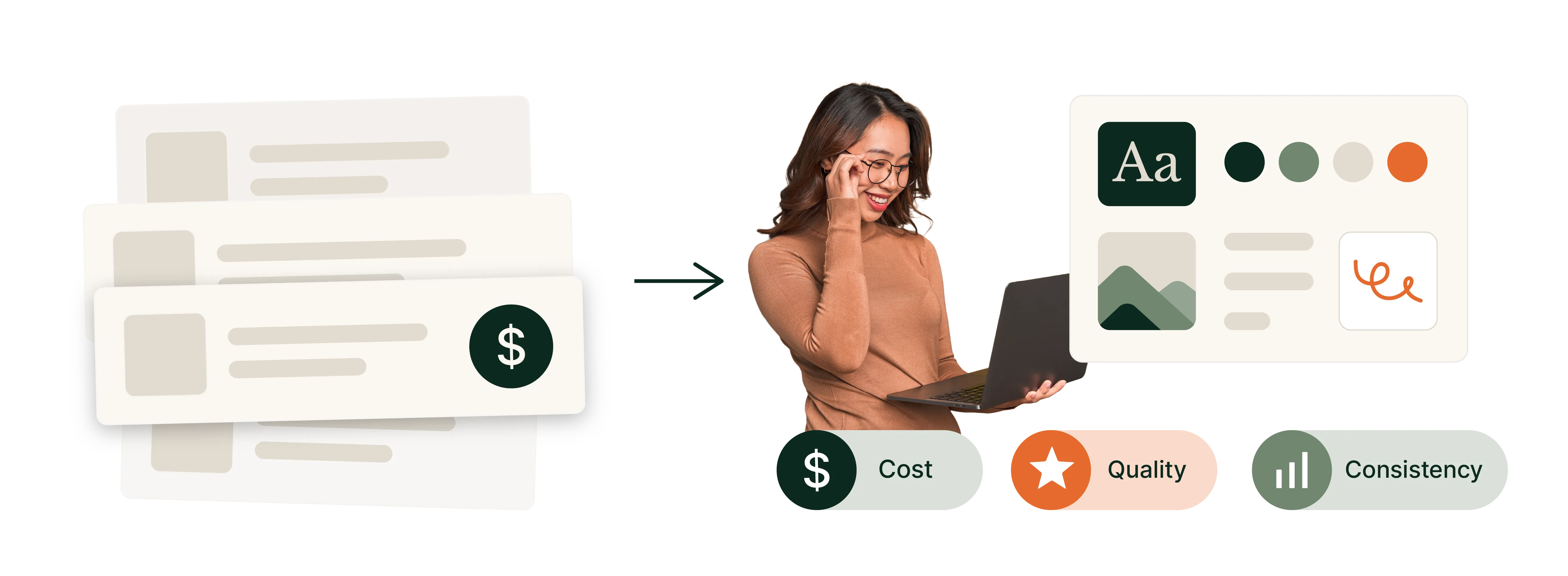
With DarkRoast you’re not hiring “whoever is available”. You’re matched with one consistent senior designer who learns your brand inside and out. Over time that relationship compounds into faster, sharper, more on-brand creative — something unlimited can never deliver.
TOPIC 05
Fractional = Flexible
Instead of a fixed hour cap, your designer works within a 10–15 hour weekly range — leaning in during busy stretches, easing back in quieter ones. The pace adjusts to your business. The price never does.
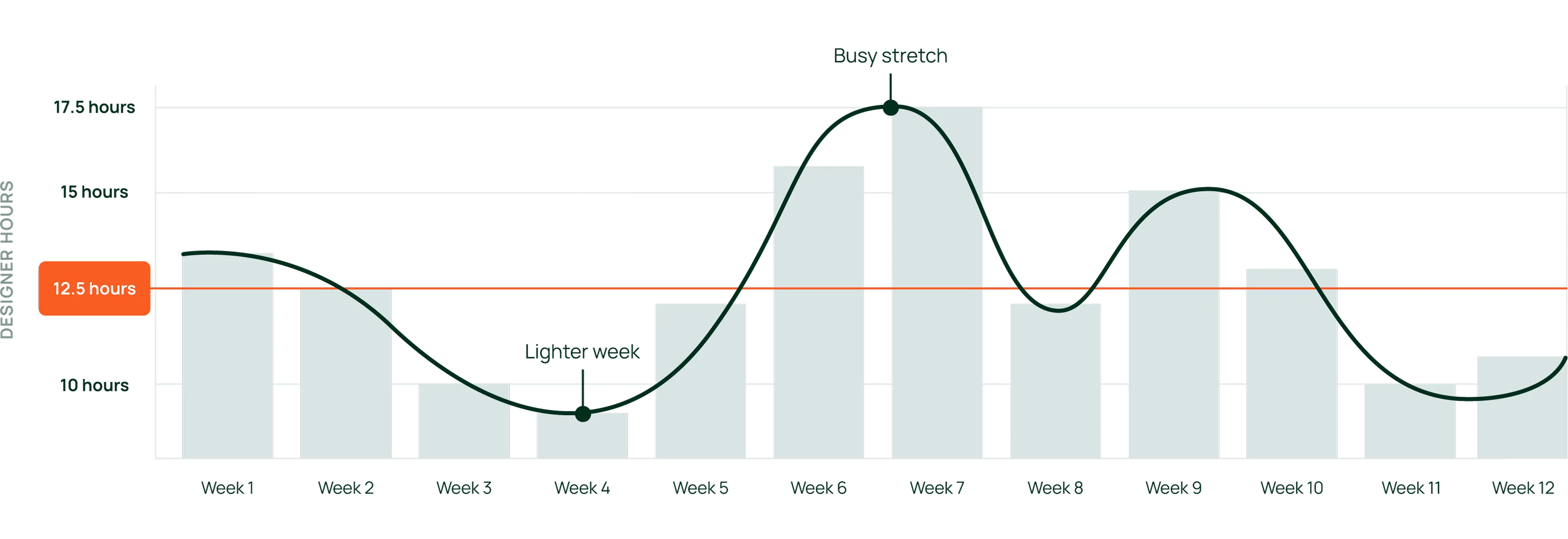
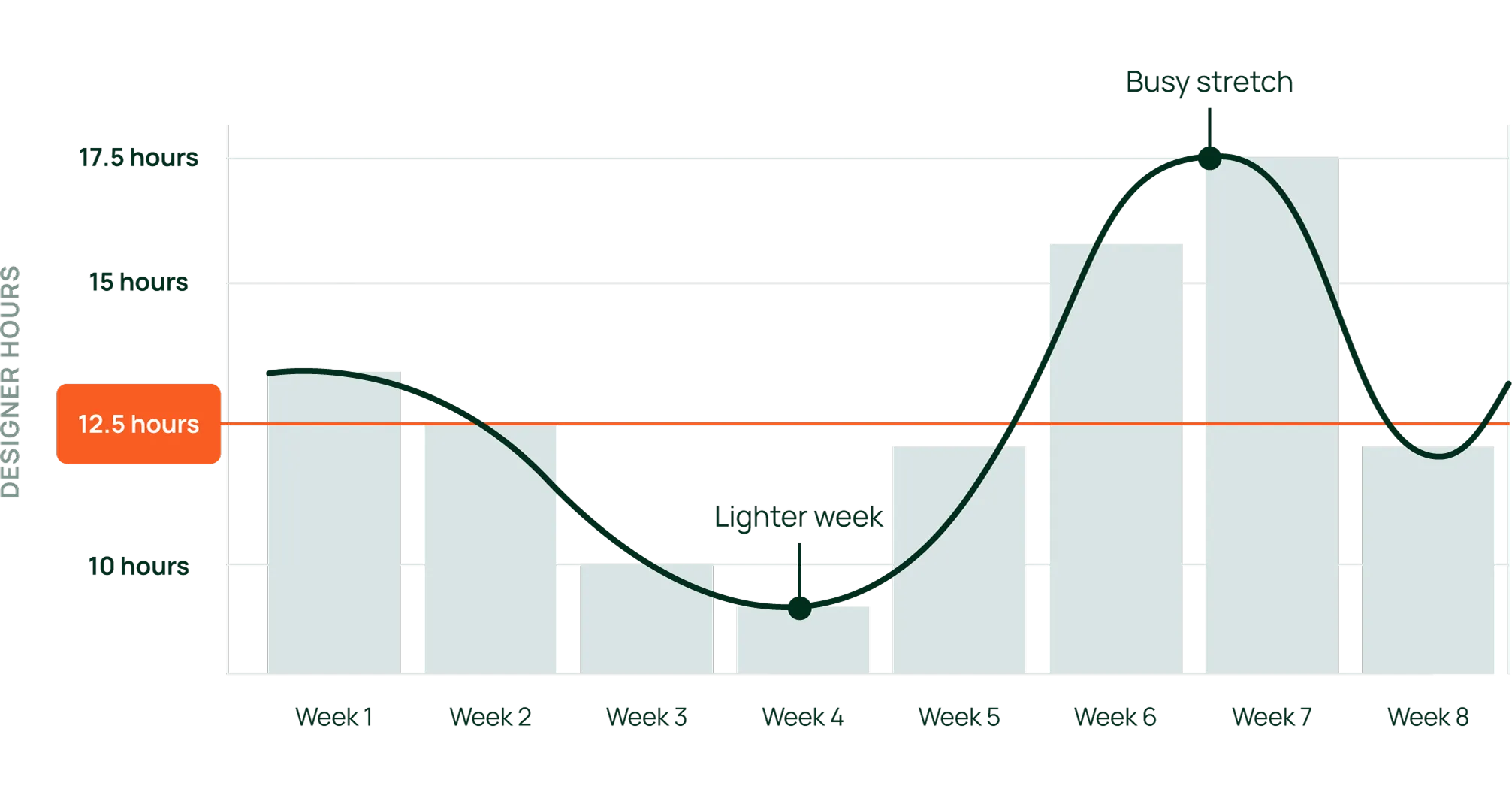
Your working range holds between 10–15 hrs/week
Long-term average: 12.5 hrs/week
Flexibility
10–15 hours a week is the normal working range. Occasional weeks run higher — we flex to cover it, no hard wall when things get busy.
Predictability
Your monthly fee is fixed. It doesn’t move with a busy week or a quiet one — the bill stays the same either way.
Simplicity
There’s no timesheet to review or meter to watch. You review finished work — your designer manages the pace.
Most frequently asked
What if I need more than 15 hours some week?
That’s normal, and it’s fine. If it’s a busy week or two — a launch, a deadline crunch — we’ll do what we can to push through and accommodate it. It doesn’t change your monthly cost.
If you find you need more than 15 hours consistently, that’s usually a sign your business has outgrown the current plan — and that’s a conversation about scaling up to a higher weekly capacity, not a penalty for going over.
Simple. Predictable. Significantly less expensive than a full-time hire — without sacrificing quality.
+
Topic 06
The fractional advantage
Your designer is available every day — but not all day. Those hours are pure production time: no wasted desk hours, no fluff.
No wasted payroll
An in-house designer may be on payroll for 40 hours, but after meetings and admin only ~25 are real creative work. Fractional delivers 10–15 hours of pure output.
Perfect fit for CPG brands
An in-house designer may be on payroll for 40 hours, but after meetings and admin only ~25 are real creative work. Fractional delivers 10–15 hours of pure output.
Consistency compounds
An in-house designer may be on payroll for 40 hours, but after meetings and admin only ~25 are real creative work. Fractional delivers 10–15 hours of pure output.
Predictable cost & capacity
An in-house designer may be on payroll for 40 hours, but after meetings and admin only ~25 are real creative work. Fractional delivers 10–15 hours of pure output.
Responsive workflow
An in-house designer may be on payroll for 40 hours, but after meetings and admin only ~25 are real creative work. Fractional delivers 10–15 hours of pure output.
Fractional isn’t about doing “as much design as possible”. It’s about doing the right work, consistently, with the right person.
+
Topic 07
Why CPG brands choose DarkRoast
We’re not generalists — CPG is our DNA. Over the past 6 years we’ve partnered with 300+ consumer brands, producing thousands of assets like these.
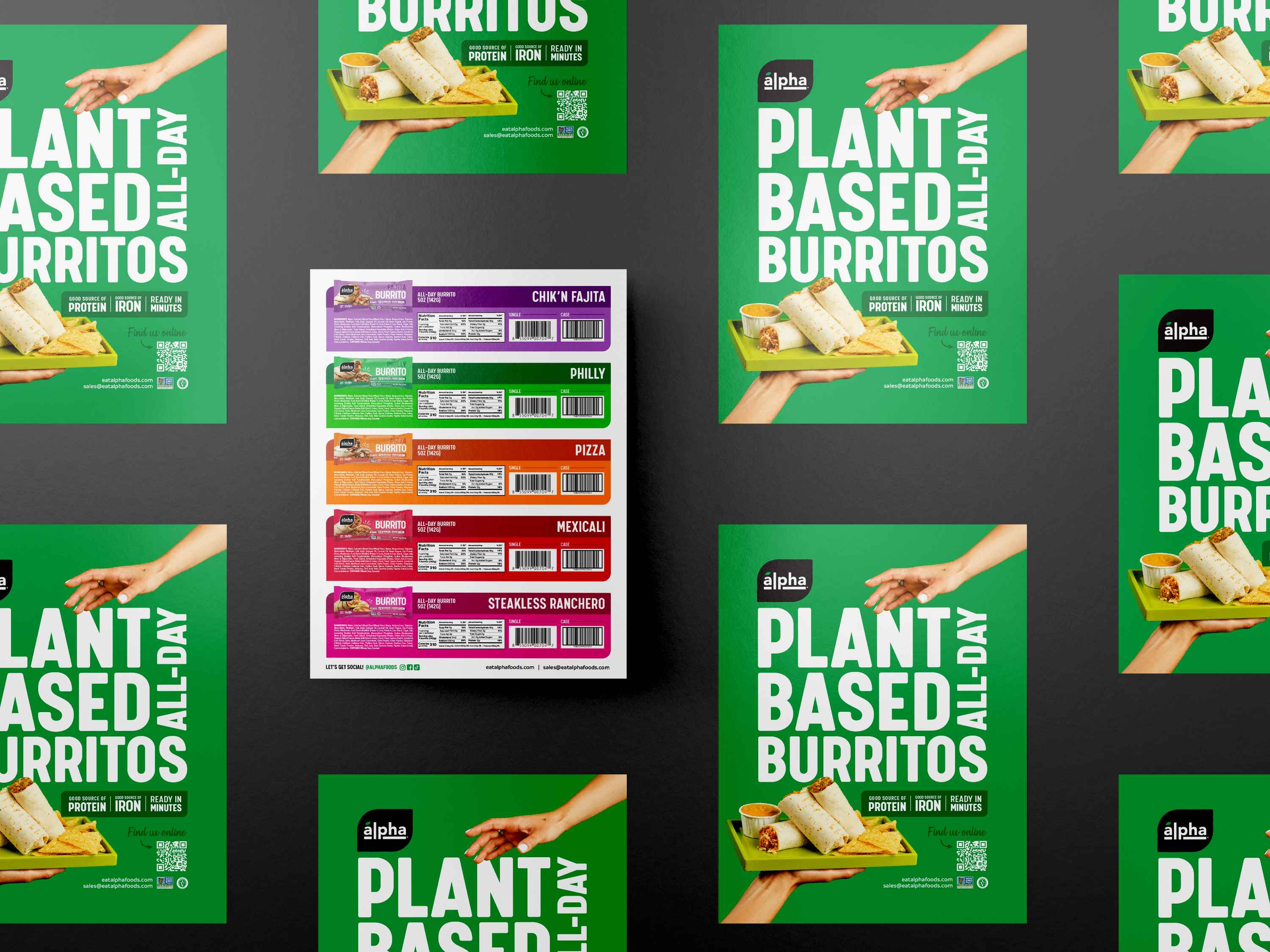
580+
Sell Sheets
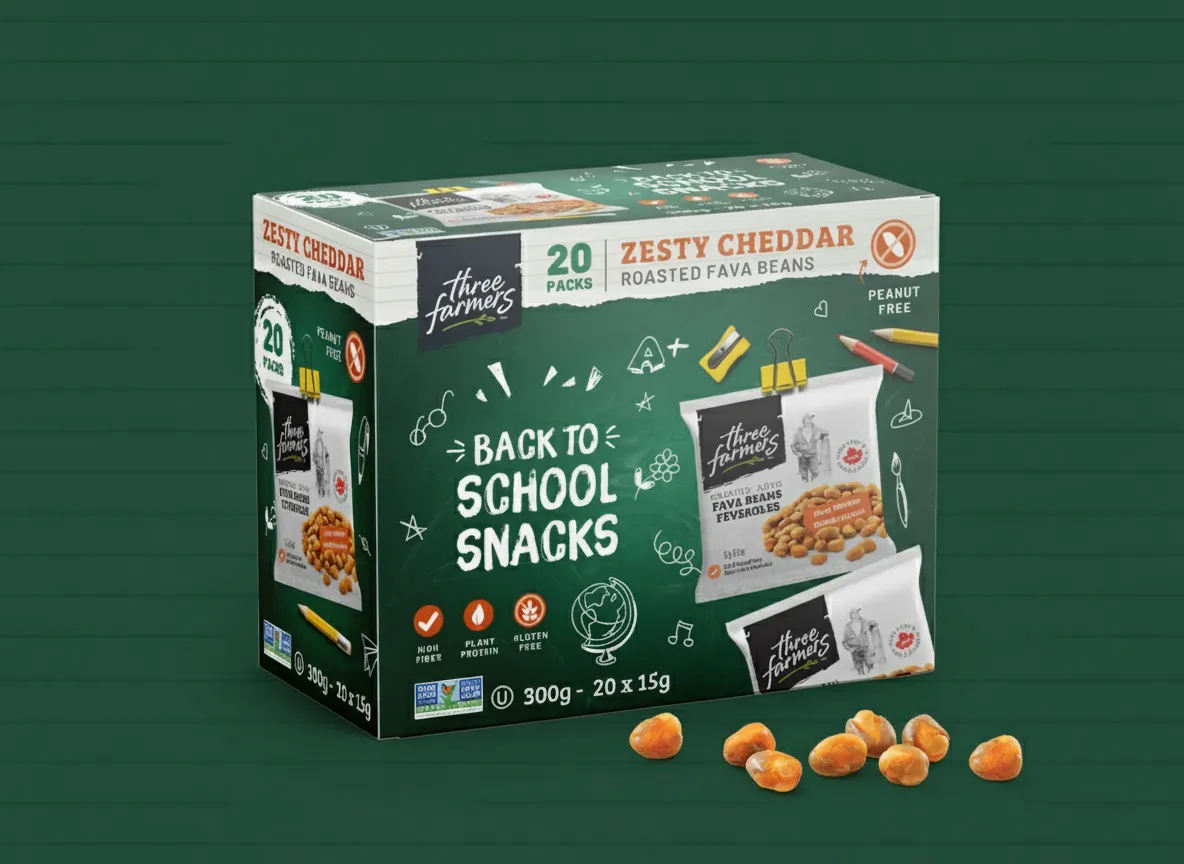
190+
Club Packaging
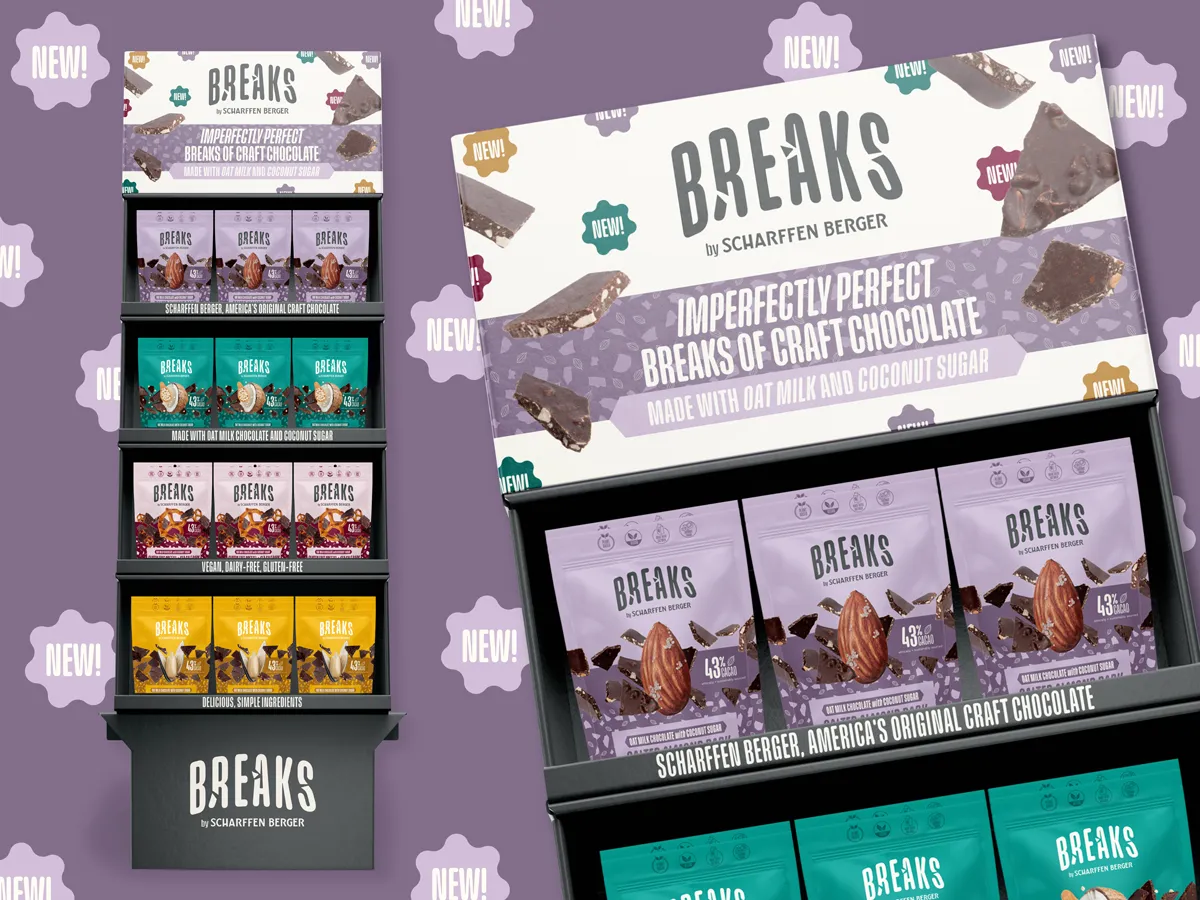
250+
Shipper Displays
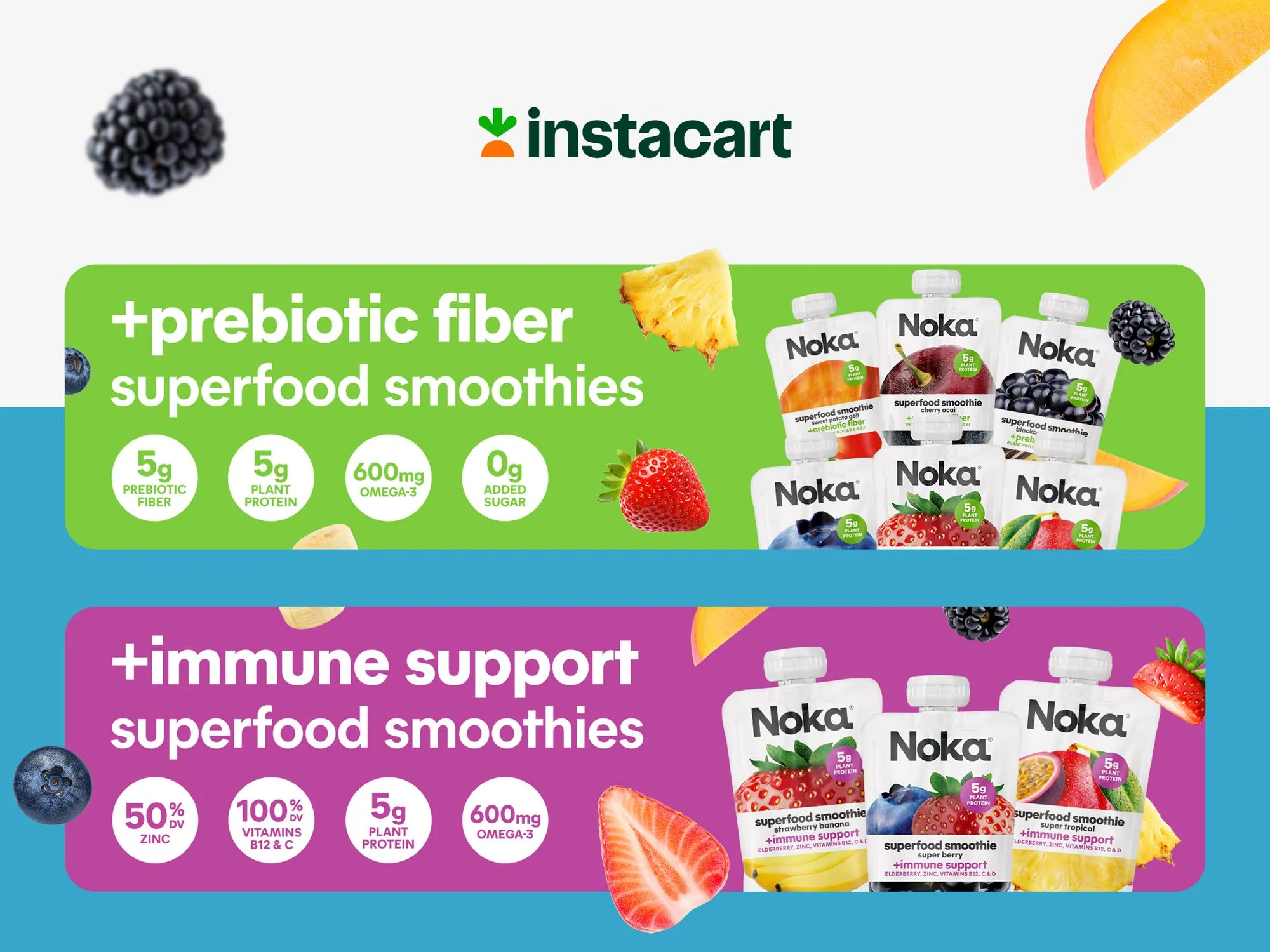
320+
Instacart Creative
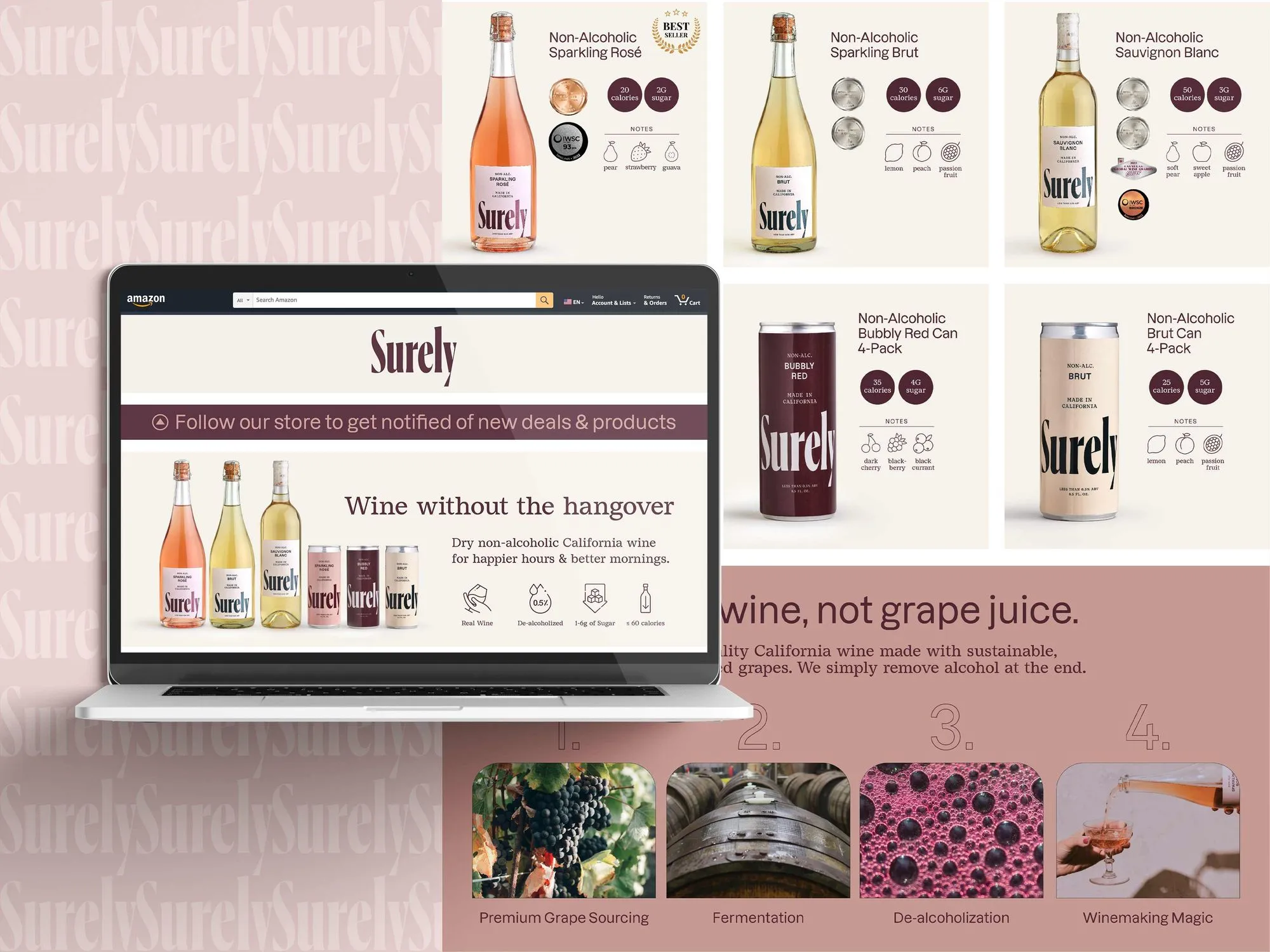
1850+
Amazon Images
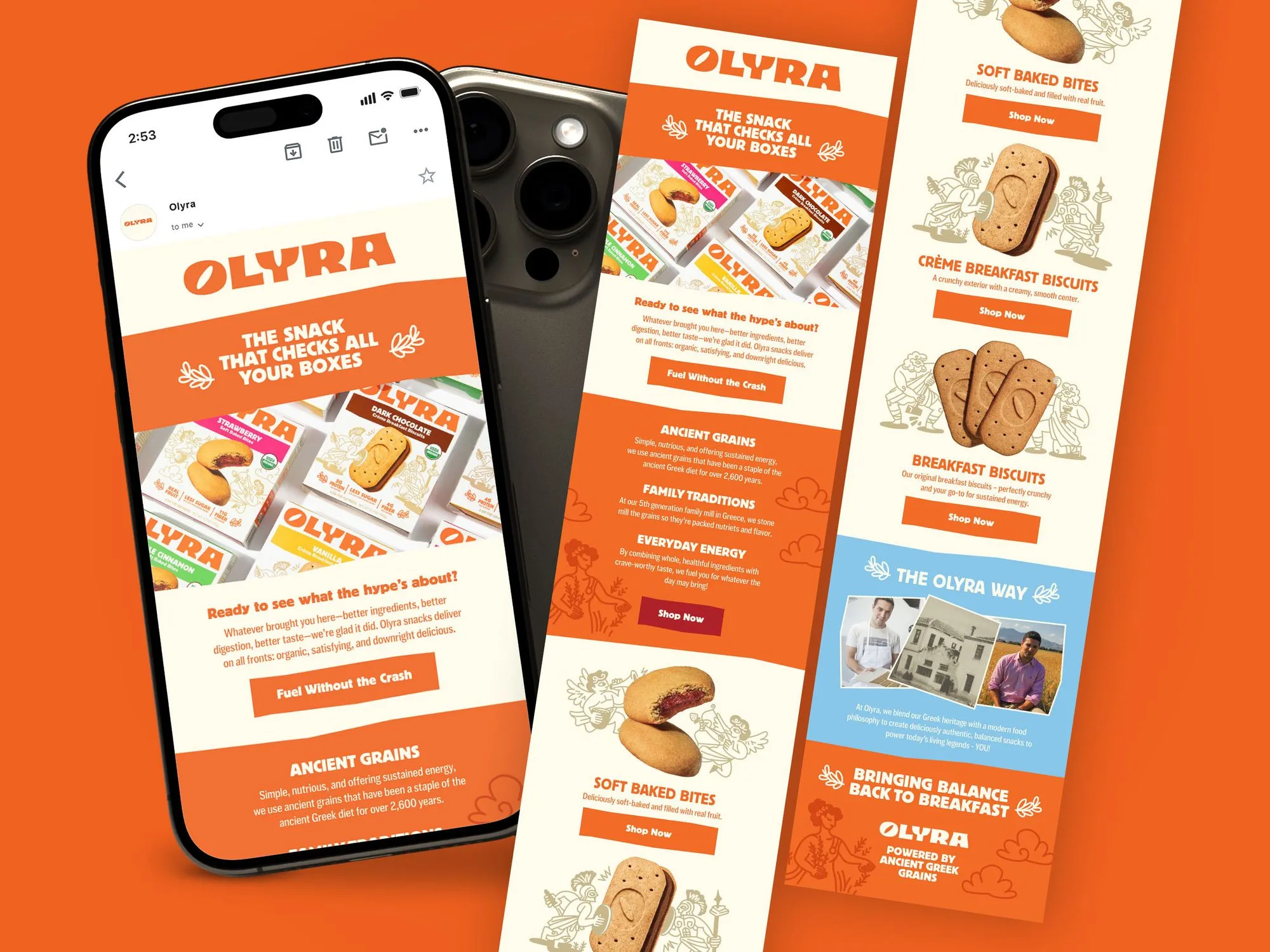
750+
Email Designs
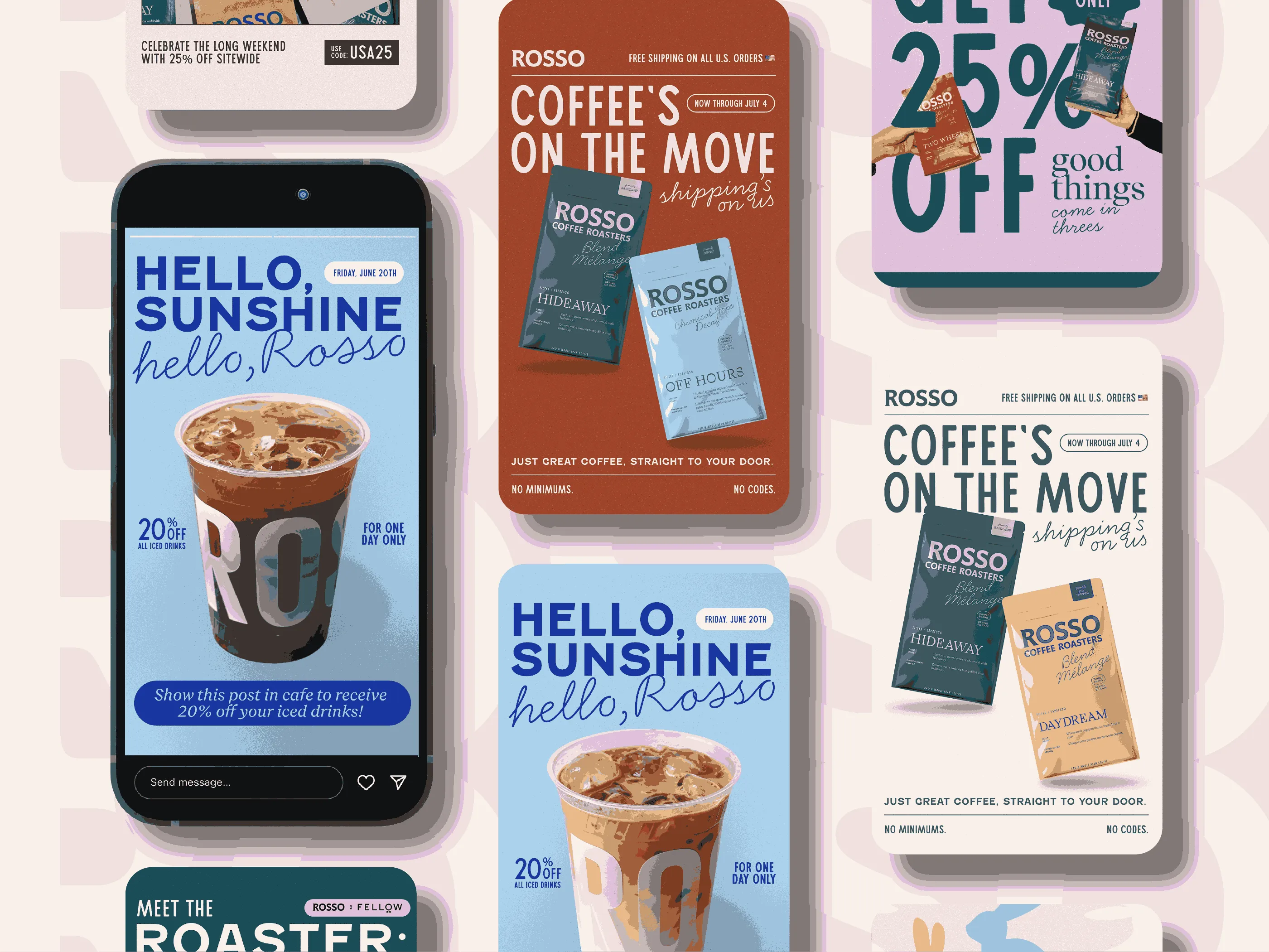
5000+
Social Media Graphics
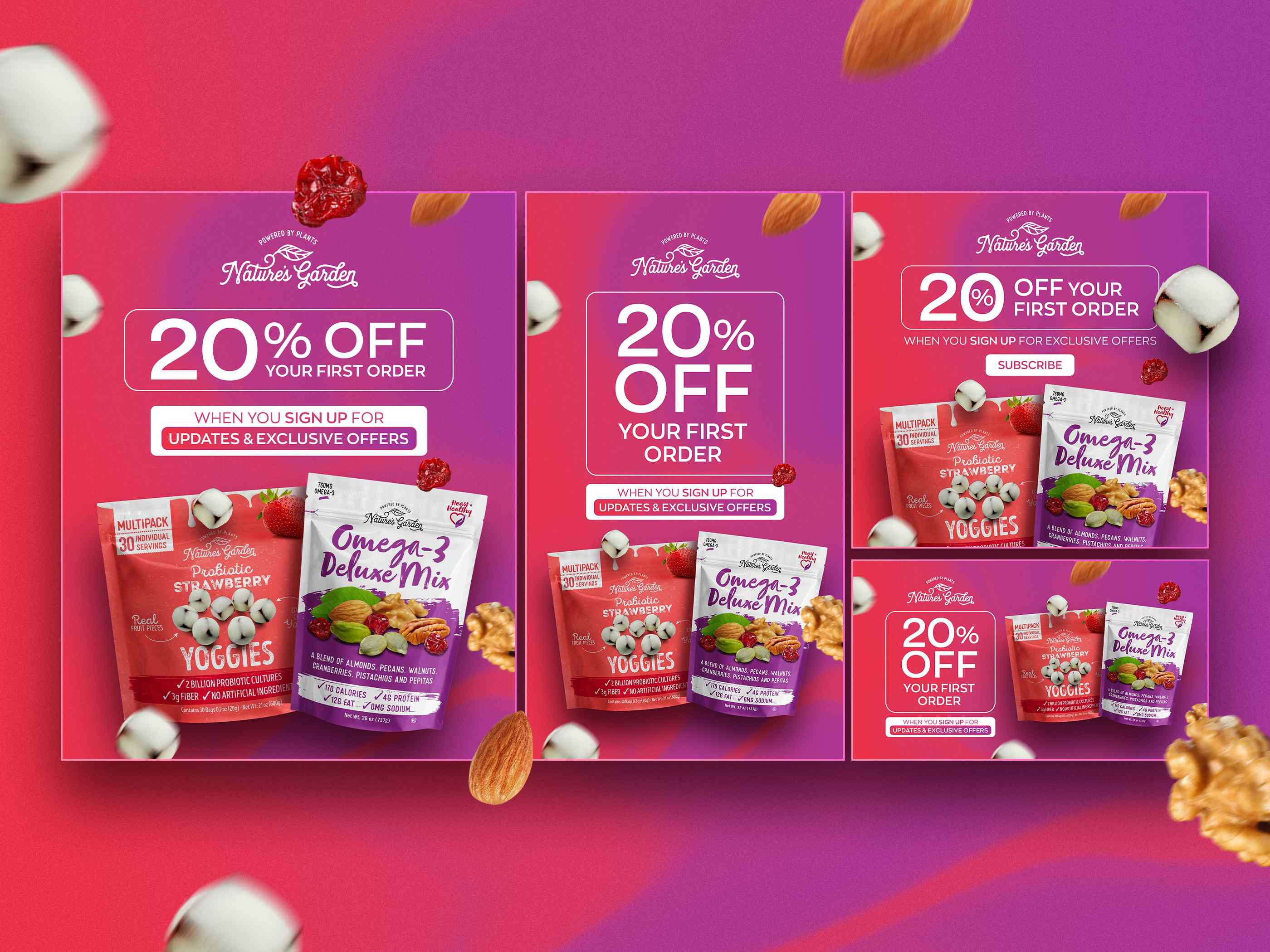
2500+
Performance Ads
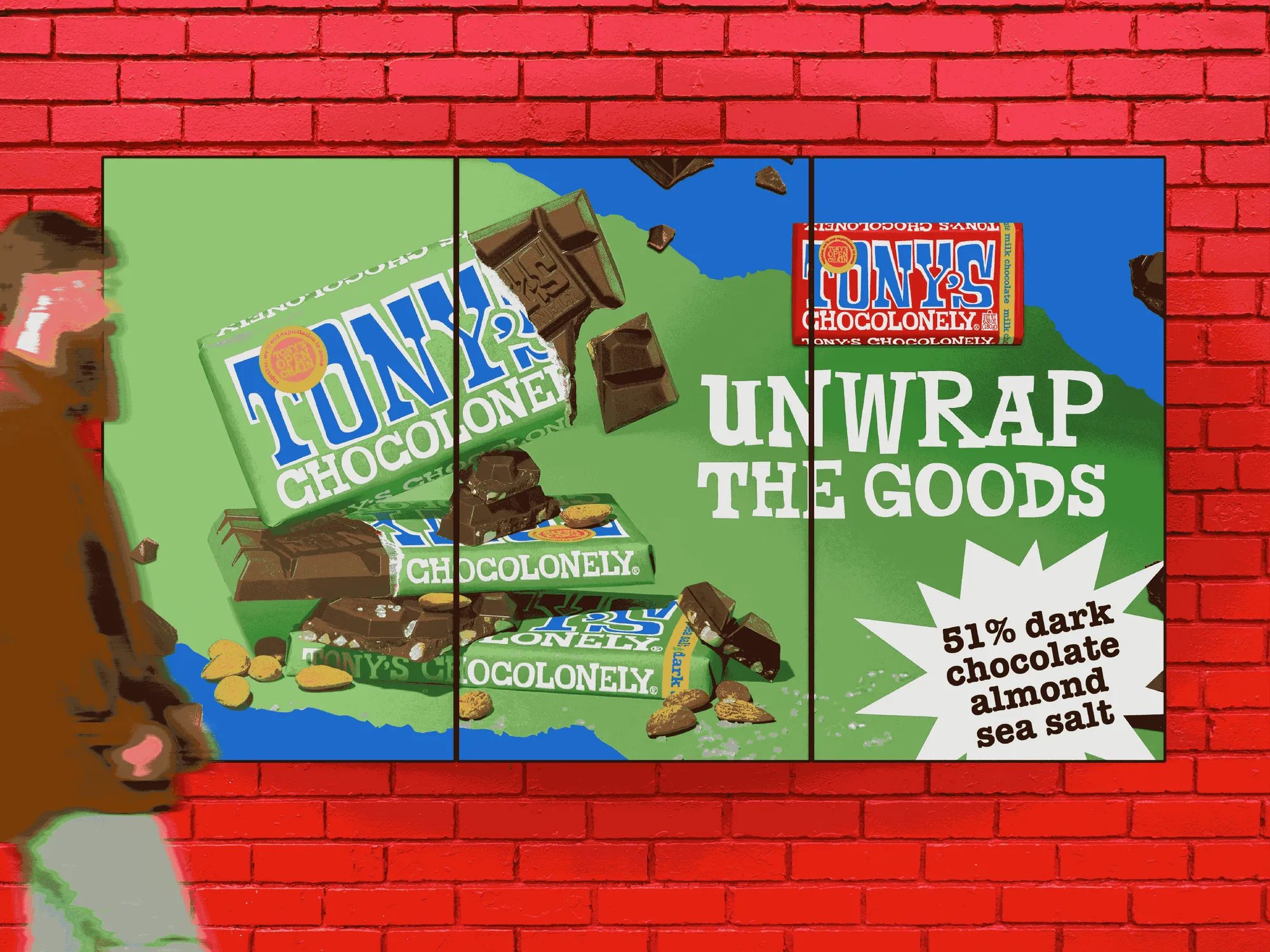
250+
OOH & Billboards
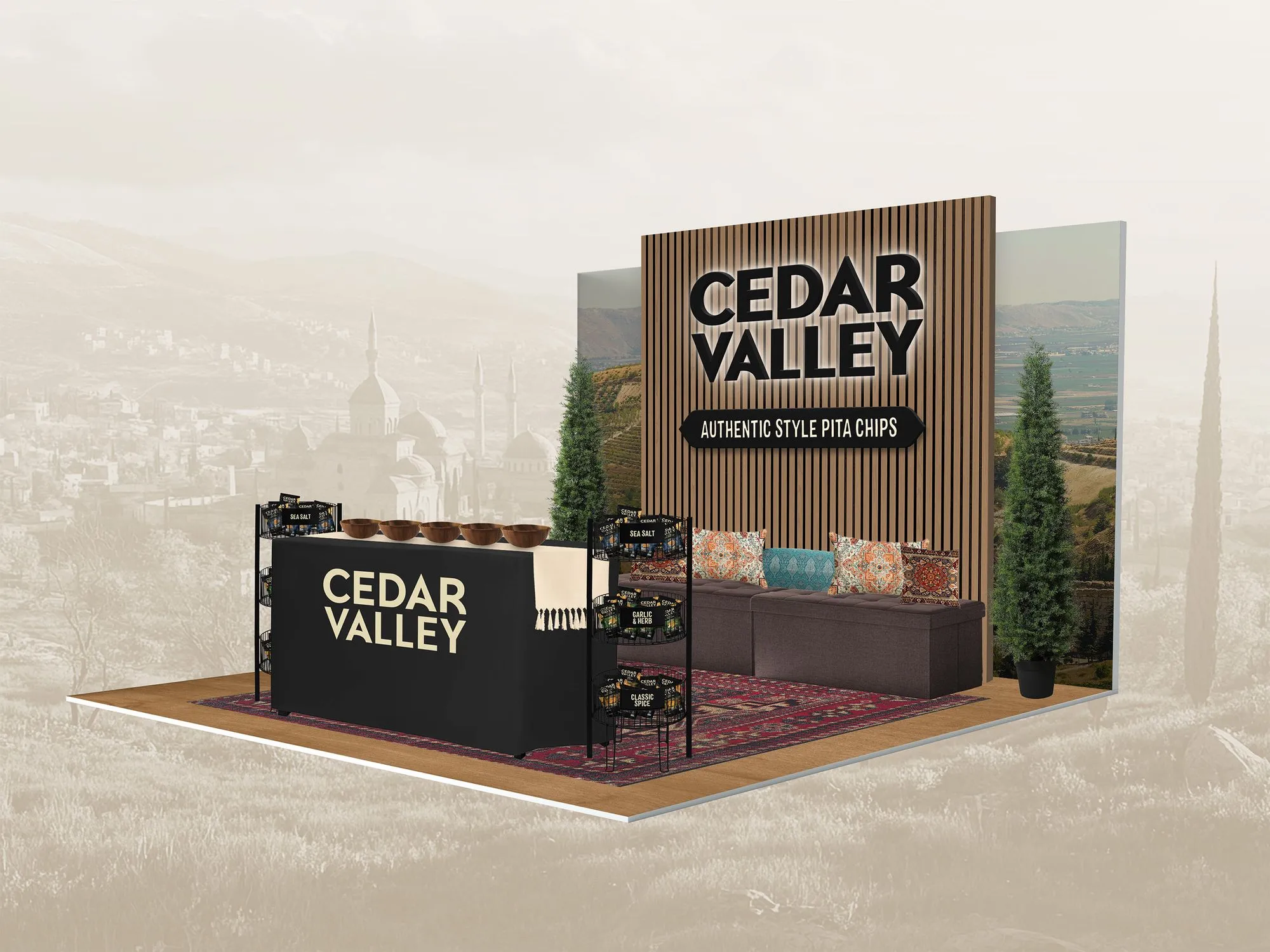
200+
Trade Show Booths
Agencies love the big, flashy projects: rebrands, websites, campaigns. But most brands need someone to handle the grind — the endless flow of assets that actually move product. That’s where DarkRoast thrives.
+
Topic 08
Who we’re for, and who we’re not for
Who we’re for
 Established CPG/DTC brands with style guidelines in place
- Marketing teams with a brand or marketing lead to set priorities
- Companies with steady, ongoing design needs — but not enough for full-time
- Operators who value speed, predictability and category expertise
Who we’re not for
- Brands with 30+ hours of design work per week — they should hire in-house
- Teams with only a few big projects per year — better fit for a traditional agency
- Startups without a marketing lead to direct priorities
- Companies needing heavy brand strategy or creative direction — we’re execution-first
+
Topic 09
The takeaway: fractional beats unlimited
Unlimited graphic design services solved the cost problem — but they created new ones: inconsistent quality, rotating designers, no real partnership.
Fractional design is the evolution. It gives you the predictability of unlimited, the quality of in-house, and the flexibility of freelance — without the drawbacks of any of them.
With DarkRoast you get more than “as many designs as possible”. You get a fractional senior designer embedded into your team, delivering high-quality creative every single week at a predictable cost. That’s why more CPG brands are leaving unlimited behind — and choosing fractional.